Softwave Tissue Regeneration for Sports Injuries
SoftWave Therapy and Sports Injuries: Supporting Your Body’s Recovery
Sports are hard on the body.
Whether you're a high-school athlete sprinting down the field, a weekend golfer dealing with elbow pain, or a recreational athlete trying to stay active, sports can place significant stress on muscles, tendons, joints, and other tissues.
When an injury occurs, the goal is often simple: get better, get moving, and get back to doing what you love.
That's where SoftWave therapy may be able to play a role.
What Is SoftWave Therapy?
SoftWave Tissue Regeneration Technologies® (TRT) uses acoustic waves delivered to targeted areas of the body. The treatment is designed to stimulate a biological response in the tissues being treated.
Unlike traditional treatments that simply focus on masking discomfort, SoftWave is intended to support the body's natural healing and recovery processes.
At Lindeman Chiropractic, we use SoftWave as part of an individualized approach to musculoskeletal conditions and sports-related injuries.
Common Sports Problems We See
Athletes can experience a wide range of injuries and overuse problems throughout a season.
SoftWave may be considered as part of a treatment plan for conditions involving areas such as:
Knees
Elbows
Shoulders
Ankles
Feet
Hips
Tendons
Muscles
Some injuries happen suddenly during competition. Others develop gradually from repetitive stress, increasing training volume, or returning to a sport too quickly.
Supporting Recovery After an Injury
One of the biggest frustrations for athletes is being told to simply stop doing what they love.
While rest can be an important part of recovery, rehabilitation often involves much more than simply taking time off.
Depending on the injury, a comprehensive recovery plan may include appropriate activity modification, mobility work, strengthening, rehabilitation exercises, and other therapies.
SoftWave can be incorporated into that larger plan when appropriate.
The goal isn't simply to get an athlete through one practice or one game. It's to help address the underlying problem and support a thoughtful return to activity.
What About Those Nagging Sports Injuries?
Not every sports injury is dramatic.
Sometimes it's the knee that hurts every time you run.
It's the elbow that starts aching after throwing.
It's the shoulder that feels stiff after practice.
Or it's the tendon that has been bothering you for months.
These types of problems can be especially frustrating because athletes often try to work around them rather than addressing them.
If pain or discomfort is persistent, it's worth having the problem evaluated rather than simply hoping it disappears.
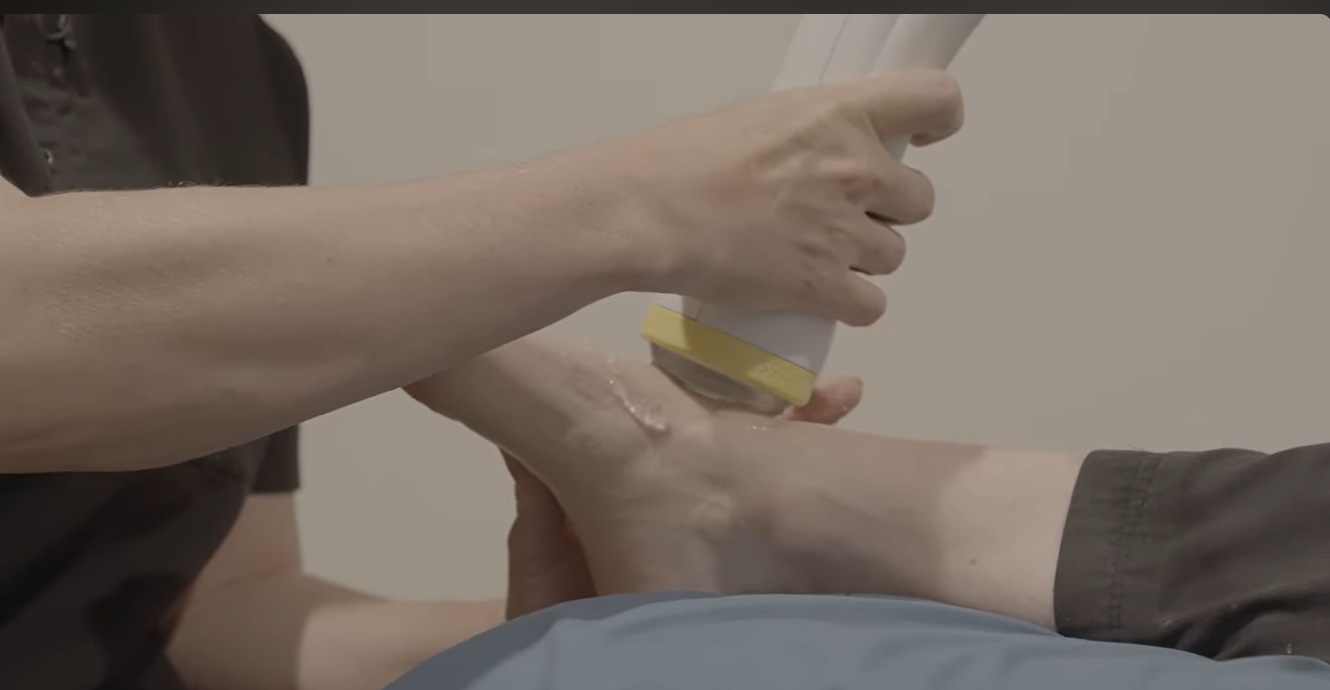
Check out this video on Softwave Tissue Regeneration Therapy for ankle issues.
SoftWave Isn't Just for Professional Athletes
You don't have to be a professional athlete to benefit from taking care of your body.
We see high-school athletes, weekend warriors, golfers, runners, parents, and active adults who want to continue doing the activities they enjoy.
Our goal is to help patients understand what's contributing to their symptoms and develop an appropriate plan to get them moving again.
Dr. Lindeman has undergone Softwave Therapy after being told he would need a knee replacement (in his 30s) and is now as active as ever! Check out the video of him getting treated here: Dr. Lindeman explains Softwave Tissue Regeneration Therapy for his own knee.
Getting Back to the Activities You Love
Sports injuries can be frustrating, but being injured doesn't necessarily mean you have to give up the activities you enjoy forever.
With the right evaluation and individualized treatment plan, there may be several options available to support your recovery.
At Lindeman Chiropractic, we combine chiropractic care, SoftWave therapy, and other approaches when appropriate to help our patients move better and get back to the activities that matter to them.
If a sports injury or nagging pain is keeping you from doing what you love, let's talk about your options.
SoftWave therapy is not a substitute for appropriate medical evaluation or emergency care. Treatment recommendations depend on the individual and the nature of the condition.